Hope Virgo and Emily Key talk about their battle with an eating disorder.
In a world of disarray, disruption and distress, we all forage for something we can hold authority over, something of routine and structure.
Sometimes, this entity we stumble on, appears worthwhile, yet, produces harmful consequences. It embraces us so intimately that we struggle to escape from this structure.
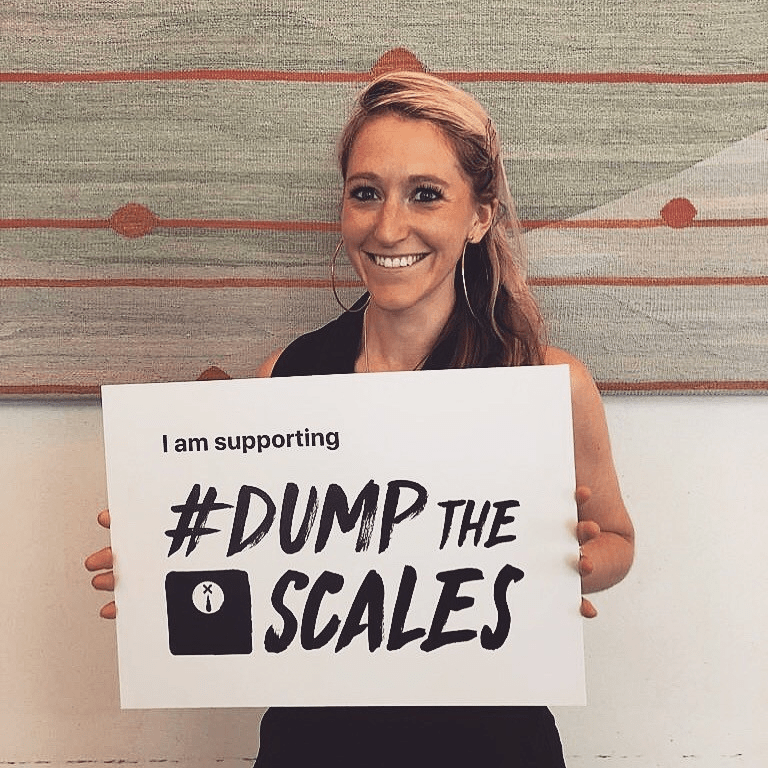
Author and award winning public speaker Hope Virgo recollects what she thought was her best friend, her way of stepping outside of reality-Anorexia.
“It gave me this value and sense of purpose. It removed me from the reality of actually growing up.” Says Hope.
Growing up as one of five siblings and with a brother who was constantly rushed in and out of A&E after being in accidents, Hope believed her role was fixing situations, neglecting her own feelings.
“Whenever I had something to eat, I felt a failure inside of me” she says.
Anorexia was a coping mechanism to deal with the trauma Hope had faced.
Anorexia isn’t always the starting point of a person’s turmoil. But it can quickly consume their whole life.
Hope’s turmoil began at just 13 when she was sexually abused, it lasted nine months. The offender moved on and got married, leaving her to try and cope, to make sense of everything that had been happening in her life.
From this point on, Hope’s friendship with anorexia became toxic: “I remember the dentist pointed out that all of my back teeth had started to crumble, I just pretended everything was fine,” she remarked.

Hope was eventually diagnosed with anorexia at her second child adolescent mental health services appointment.
“I was in denial. I just switched off. I went to CAMHS for six months. I had enough time to prepare to trick the system before my mum picked me up, by placing weights in my clothes so my weight looked like it had stayed the same. Five months later my mum picked me up early and I didn’t have time to trick them.

“I’d spend hours making myself sick. Locking the bathroom door. Turning on the shower. Water running over me. Feeling isolated.” Says Hope softly.
Anorexia became a normality for Hope. A way of coping. Eventually Hope was admitted to CAHMS for recovery. Afterwards, she attended University, where her flatmates understood that she had to use the exact same bowl she used at CAHMS everyday, so that she could measure how many shreddies she placed in the bowl.
Recovery isn’t a straight line. Just because a person has recovered once, it doesn’t mean there won’t be a setback. When Hope’s Grandma had fallen ill and eventually passed away, Hope struggled to deal with the death of a woman so close to her heart. Hope relapsed on boxing day.
This time, Hope sought help, recovery was and is a battle for Hope but she continues to inspire everyday as a mental health campaigner to ‘Dump the Scales’ through attending talks and on her Instagram platform as well as being a published Author! https://www.instagram.com/hopevirgo_/

Eating disorders are so widely misunderstood that when a person seeks help, they are given boxes to tick. If you fit these categories, then your GP will help. if not, then what?
“Being overweight when I was younger, meant I was called Marshmallow at school. I lost weight and people started to say I looked better. It subconsciously made me want to be skinner and skinnier.” Says bulimia survivor, Emily Key. Emily weighed 52kg and spent more time revising calories in food than her degree in psychology. “I went to my GP in December but he said I didn’t fit in the guideline of getting help.” Emily recalls. “I got a letter in June saying I could go to an eating disorder clinic. It took them six months. By then it had gotten worse.
“Unless you look like a bag of bones, you won’t receive help.” Emily adds sadly.
A culture that focuses heavily on body image, forgets that “just because obese people aren’t a bag of bones, they still have eating disorders” Emily relayed. As a culture, we misconstrue the difficulty a person faces in battling an eating disorder so we don’t stop to think about the upheaval a person faces. It isn’t a quick fix. It’s a process.
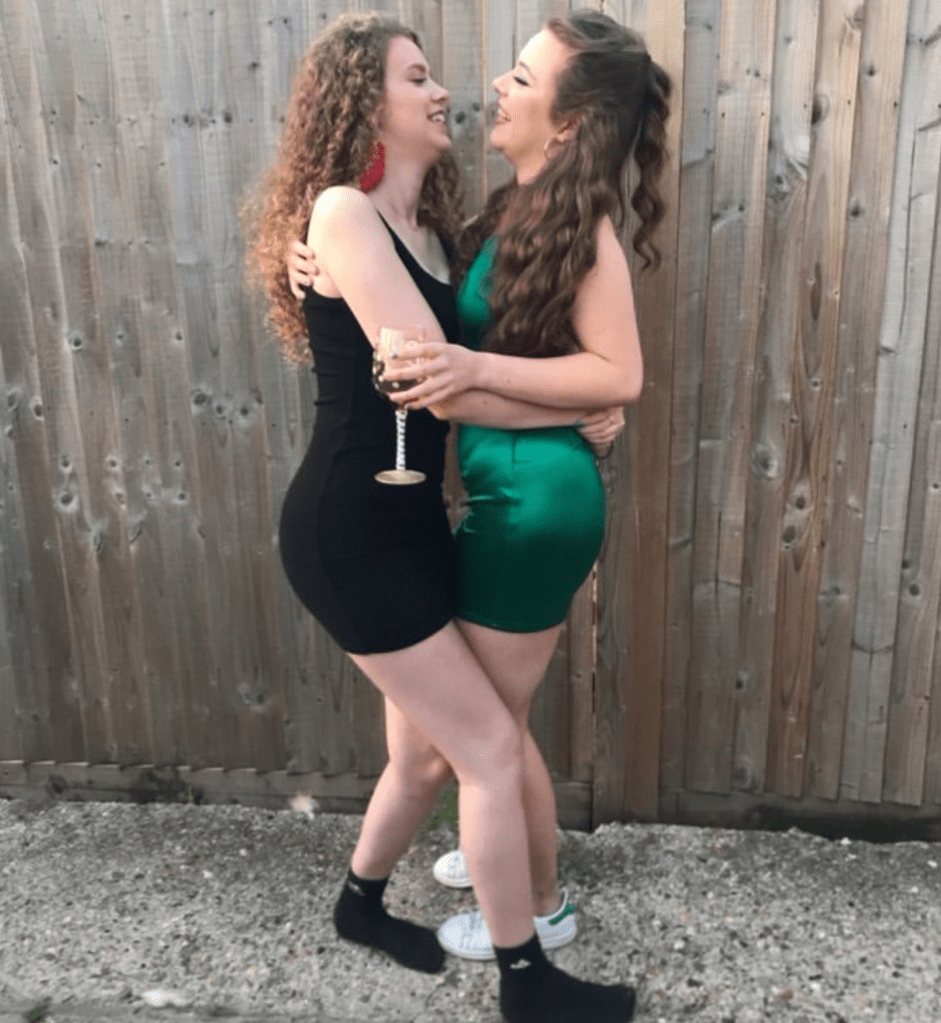
“I remember thinking: Why can’t I just be normal and have food like everyone else?” Says Emily. “I told my friend, talking to her saved my life.”
 Speak Out